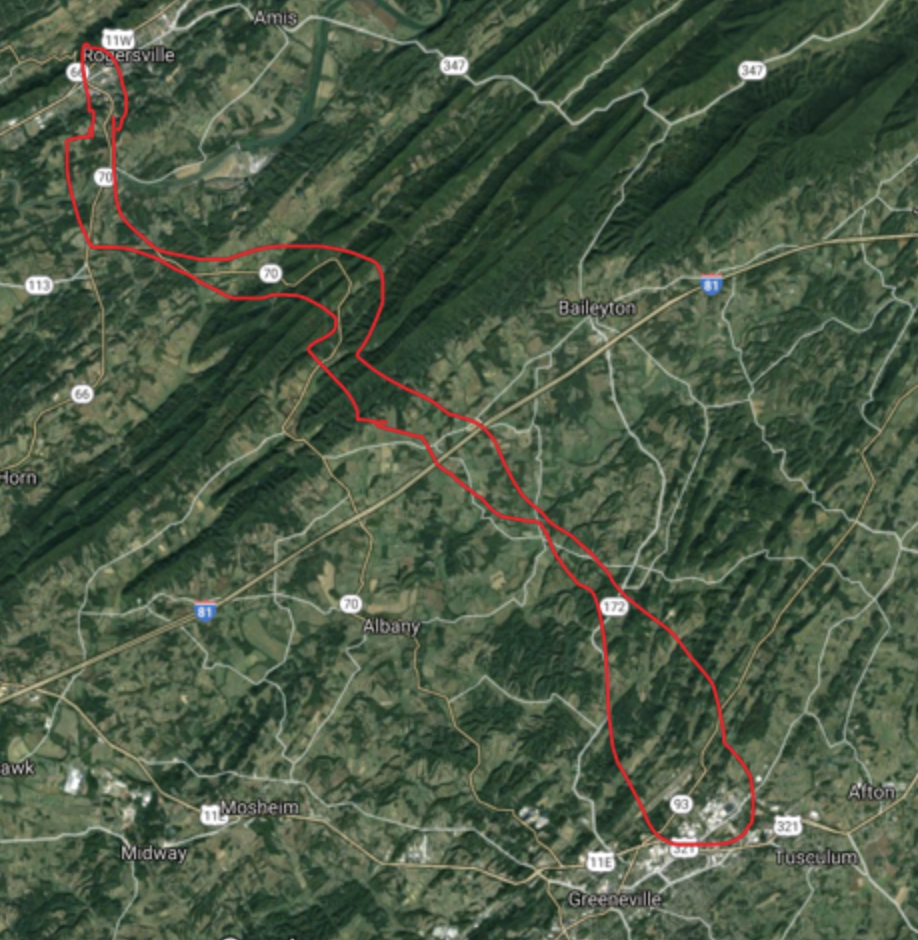
Pursuit from Rogersville to Greeneville
https://sharetngov.tnsosfiles.com/tsla/cwsb/1864-08-Article-108-Page128.pdf
AUGUST 21-23, 1864.-Skirmishes at Rogersville (21st), skirmishes at Blue Springs (23d), and pursuit of Confederates to Greenville, Tenn.
Report of Brig. Gen. Alvan C. Gillem, U. S. Army.
HDQRS. U. S. FORCES, Greenville, Tenn., August 24, 1864.
I have the honor to submit the following report of the operations of the troops under my command since my last report, made to you at Strawberry Plains on the 18th of August:
I rested at Strawberry Plains, the first day spent in camp since leaving Gallatin. On the 19th instant we marched to Mossy Creek, where we arrived late in the afternoon, when I learned that there was a party of some 400 rebels at Morristown. I determined to surround them, and, if possible, capture them.
Accordingly, I ordered the Ninth Regt. of Tennessee Cavalry, under Col. Brownlow, to proceed on the road toward the Bend of Chucky, and thence by a cross-road to come up in the enemy’s rear. At 2 o’clock that night I marched with the remainder of the troops by the Knoxville road to Morristown.
Both forces arrived at Morristown just after daylight, and ascertained that no rebel force had been there. Encamped at Morristown for the remainder of the day, and in the afternoon was joined by a battalion of cavalry, which had been sent out from Strawberry Plains to go up the north side of Holston River, by Rutledge and Bean’s Station.
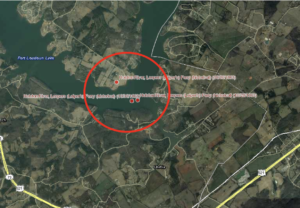
On the arrival of this battalion I detached Lieut.-Col. Ingerton, Thirteenth Tennessee Cavalry, with a battalion of that regiment, to attack a force of rebels at Rogersville, with orders to join me the following night near Bull’s Gap.
On the 21st marched to Lick Creek. Soon after my arrival there Lieut.-Col. Ingerton came in from Rogersville, at which place he had surprised the enemy at daylight that morning, killed 23, and bringing with him 35, and Joseph B. Heiskell, member of the rebel Congress. On his entrance to Rogersville the enemy, though superior in number to him, fled toward Kingsport.
Late that night I received a dispatch from Gen. Tillson, informing me that Wheeler’s command was marching by way of Maryville to Dandridge. I determined to turn back and attack his forces in detail as they crossed the river.
The 22d I returned as far as Russellville. Sent scouts in every direction, but was unable to learn anything definite of the enemy, nor were the authorities at Knoxville able to give me any information in regard to the enemy’s movements. I therefore determined to turn back and attack the force which I knew to be between me and Greeneville.
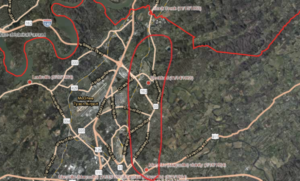
We left camp at 6.30 a. m. on the 23d; a small force of the enemy was met at Bull’s Gap, which fled upon our approach. At Blue Springs we came upon the enemy’s pickets, and two miles farther on we found their force occupying a strong position on a ridge to the south of the Greeneville road.
The Tenth Michigan Cavalry were ordered to dismount and move forward. After ascertaining the position of the enemy two pieces of artillery were placed in position. Soon after the enemy endeavored to charge one of them, but were driven back by the Tenth Michigan Cavalry.
I then directed Col. Miller to take two companies of the Ninth Tennessee Cavalry and to turn the enemy’s left flank, which he did most successfully, a by-road having been pointed out to him by a small boy, William Brown; through but a mere child afterward accompanied him throughout the fight.
No sooner did the enemy perceive that Miller was getting in their rear than they began retreat. I then ordered Col. Brownlow, with five companies, to charge them in front. Then began a running fight, which was closed by night two miles beyond Greeneville, the enemy halting and endeavoring several times to reform.
Their horses were fresh, while ours had been moving constantly for twenty days, and had marched eighteen miles that day before the fight began. I afterward understood that the enemy did not halt until they arrived at Jonesborough.
Our troops all behaved well. The Tenth Michigan, under Lieut.-Col. Trowbridge, was first engaged with the enemy and behaved well. The seven companies of the Ninth Tennessee Cavalry, under Lieut. Col. John Brownlow, charged the enemy gallantly.
Company A, Tenth Tennessee Cavalry, under Capt.’s Kerner and Hambright, fought with the Michigan troops on foot until the enemy gave away. They then mounted and charged most gallantly, led by Capt. Kerner. That gallant officer fell wounded, as it is feared, mortally, cheering his men on. His conduct on that day was the admiration of all.
I beg to call your attention to the gallant conduct of Lieut. Patterson, commanding Battery E, First [Tennessee] Artillery, Lieut. Regan, of the Tenth Tennessee Infantry, serving in the same battery.
After turning the enemy’s position Col. John K. Miller led the pursuit, and drove the enemy from every position they attempted to hold, from where they were first engaged to Greenville. His gallant conduct merits your particular approbation.
To Col. James W. Scully, Lieut.’s French, Miller, and Mount, acting aides-de-camp, I am indebted for much valuable assistance in transmitting orders.
Lieut. Lynn, Tenth Tennessee Infantry, my provost marshal, was with me, but laying aside his staff duties, I believe it was conceded by all, he was foremost in the charge until we entered Greeneville, when he was at least 100 yards in the advance of any other man in the command, and where he shot a rebel soldier named McDowell in front of his father’s house.
The enemy’s loss in this fight was 57 killed. Our loss 28 wounded (2 since dead), none killed and none captured.
On the morning of the 23d I had detached Lieut.-Col. Ingerton, with the Thirteenth Tennessee Cavalry, to go to Rogersville to break up the enemy’s force which I learned had assembled there. This afternoon he arrived at this place (Greeneville), having attacked the enemy at Rogersville, killed 13, captured 24, making the enemy’s total loss in the two days 70 killed.
I beg to call your attention to Lieut.-Col. Ingerton’s gallantry in the two attacks he has made on Rogersville.
The force which I met yesterday this side of Blue Springs was Morgan’s old brigade, Fourth Kentucky Cavalry, and Tenth Kentucky Mounted Infantry, under Col. Giltner, which was re-enforced during the fight by Gen. Vaughn with Bradford’s Thirty-second [Thirty-ninth] Tennessee Mounted Infantry, numbering probably 800 men.
The Ninth and Thirteenth Tennessee Cavalry are improving rapidly, and require but little more experience to make them excellent soldiers. Col.’s Brownlow and Ingerton use every endeavor to instruct their men.
I am, sir, very respectfully, your obedient servant,
ALVAN C. GILLEM.
OR, Ser. I, Vol. 39, pt. I, pp. 484-486.