
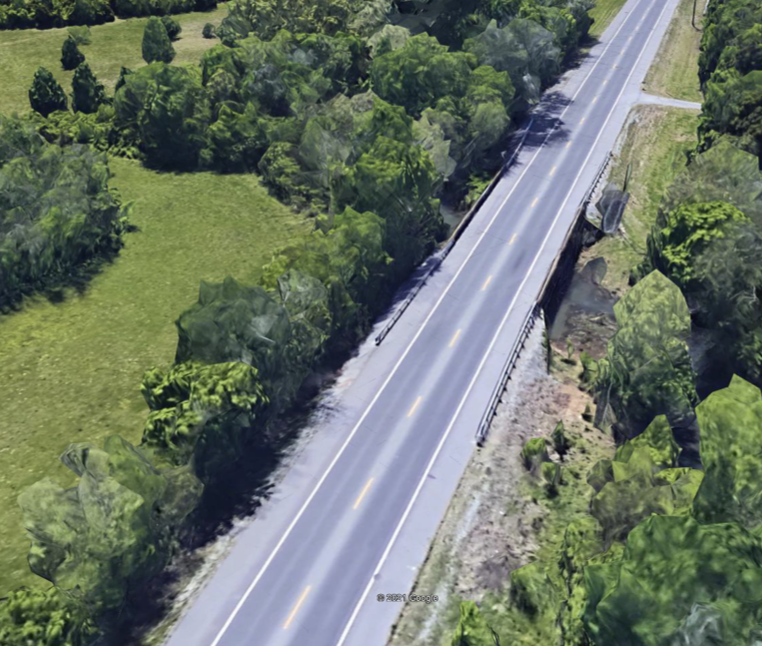
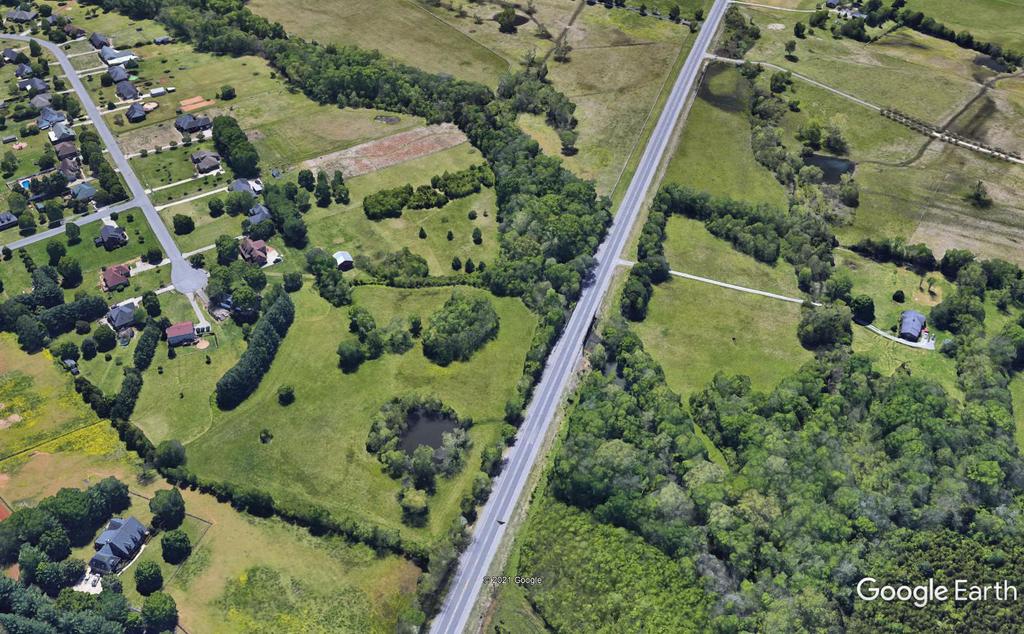
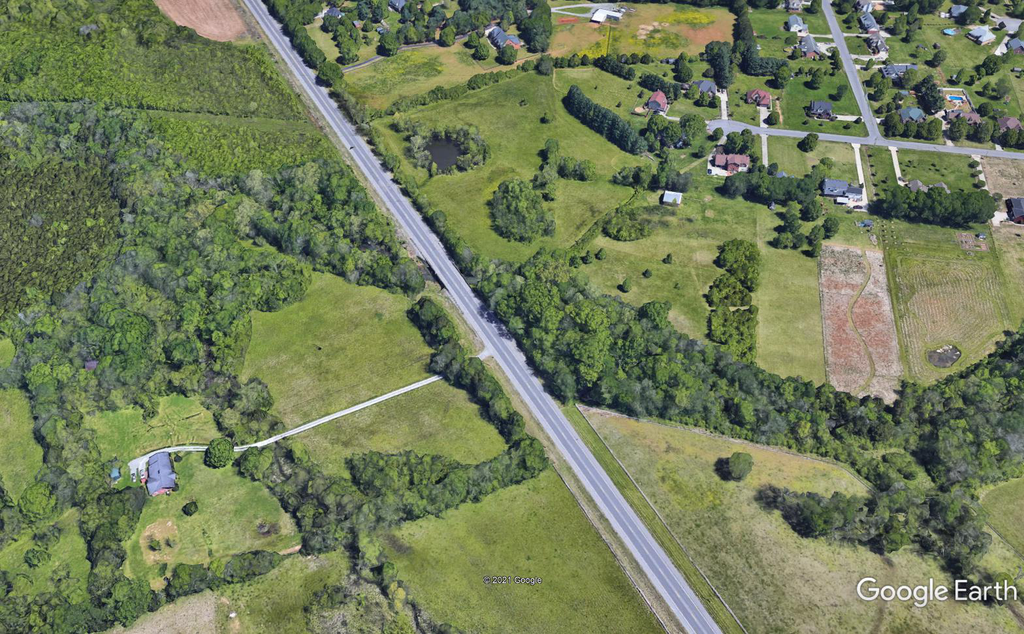
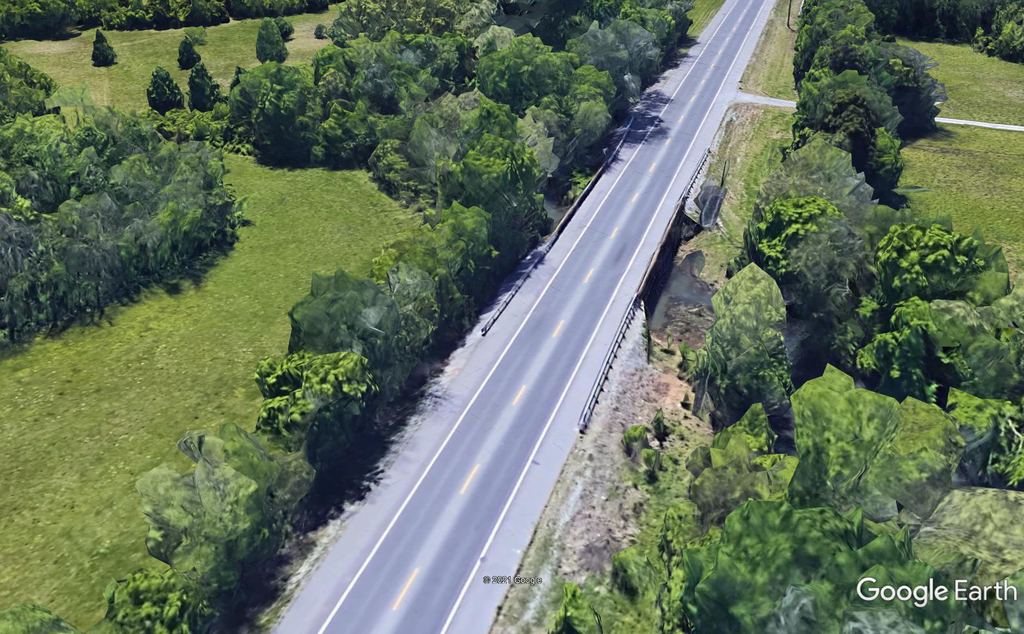
January 5, 1863 – Skirmish at Lytle Creek
No circumstantial reports filed. Note 1
HDQRS. CAVALRY, FOURTEENTH ARMY CORPS, DEPARTMENT OF THE CUMBERLAND, Near Murfreesborough, Tenn., January 9, 1863.
MAJ.: I have the honor to submit, for the information of the general commanding the army, the following statement of the part taken by the cavalry under my command in the advance upon and battle of Murfreesborough:
On December 26 I divided the cavalry into three columns, putting the First Brigade, commanded by Col. Minty, Fourth Michigan Cavalry, upon the Murfreesborough pike, in advance of Gen. Crittenden’s corps. The Second Brigade, commanded by Col. Zahm, Third Ohio Cavalry, was ordered to move on Franklin, dislodge the enemy’s cavalry, and move parallel to Gen. McCook’s corps, protecting his right flank.
The reserve cavalry, consisting of the new regiments, viz., : Anderson Troop, or Fifteenth Pennsylvania Cavalry, First Middle Tennessee, Second East Tennessee Cavalry, and four companies of the Third Indiana, I commanded in person, and preceded Gen. McCook’s corps on the Nolensville pike. Col. John Kennett, commanding cavalry division, commanded the cavalry on the Murfreesborough pike.
For the operations of this column, and also the movements of Col. Zahm up to December 31, I would refer you to the inclosed reports of Col.’s Kennett, Zahm, and Minty.
On the morning of the 27th our cavalry first encountered the enemy on the Nolensville pike, 1 mile in advance of Bole Jack Pass. Their cavalry was in large force and accompanied by a battery of artillery. Fighting continued from 10 o’clock until evening, during which time we had driven the enemy 2 miles beyond La Vergne. The Third Indiana and Anderson Troop behaved very gallantly, charging the enemy twice and bringing them to hand-to-hand encounters. The conduct of Maj.’s Rosengarten and Ward, the former now deceased, was most heroic.
On the 28th we made a reconnaissance to College Grove, and found that Hardee’s rebel corps had marched to Murfreesborough.
On the 29th Col. Zahm’s brigade, having joined, was directed to march upon Murfreesborough by the Franklin road, the reserve cavalry moving on the Bole Jack road, the columns communicating at the crossing of Stewart’s Creek. We encountered the enemy’s cavalry, and found them in strong force at Wilkinson’s Cross-Roads. Our cavalry drove them rapidly across Overall’s Creek, and within one-half mile of the enemy’s line of battle.
The Anderson Cavalry behaved most gallantly this day, pushing at full charge upon the enemy for 6 miles. Unfortunately their advance proved too reckless. Having dispersed their cavalry, the Troop fell upon two regiments of rebel infantry in ambush, and after a gallant struggle were compelled to retire, with the loss of Maj. Rosengarten and 6 men killed, and the brave Maj. Ward and 5 men desperately wounded. With the loss of these two most gallant officers the spirit of the Anderson Troop, which gave such fine promise, seems to have died out, and I have not been able to get any duty out of them since.
On the 30th the entire cavalry force was engaged in guarding the flanks of the army, in position. Some small cavalry skirmishing occurred, but nothing of importance.
At 11 p. m., the 30th, I marched for La Vergne with the First Tennessee and the Anderson Cavalry. Near that place I was joined by detachments of the Fourth Michigan and Seventh Pennsylvania Cavalry.
At 9.30 o’clock on the 31st I received an order from the general commanding, directing me to hasten to the right. I made all possible speed, leaving a strong detachment to protect the trains crowding the road at Stewartsborough and to pick up straggles.
Upon arriving upon the right flank of the army, I found order restored, and took position on Gen. McCook’s right, my right extending toward Wilkinson’s Cross-Roads, occupying the woods about the meeting-house on Overall’s Creek. In this position we were attacked about 4 p. m. by a long line of foot skirmishers. My first impression was that these covered infantry, but I learned soon that they were only dismounted cavalry.
We successfully held them at bay for one-half an hour with the Fourth Michigan and Seventh Pennsylvania, dismounted, when, being outflanked, I ordered our line to mount and fall back to the open field. The enemy followed here, and being re-enforced by detachments of the Anderson and Third Kentucky Cavalry, and the First Tennessee, we charged the enemy and put him to rout. The cavalry held the same position this night they had taken upon my arrival upon the field.
About 9 o’clock New Year’s morning the enemy showed a line of skirmishers in the woods to our front, and soon after brought a six-gun battery to bear upon my cavalry. As we could not reach the enemy’s skirmishers, nor reply to his artillery, I ordered my cavalry to fall back.
A part of Zahm’s brigade marched this day to Nashville to protect our train. Col. Zahm’s report is inclosed.
January 2 and 3 the cavalry was engaged in watching the flanks of our position.
Upon the 4th it became evident that the enemy had fled. The cavalry was collected and moved to the fords of Stone’s River.
Upon the 5th we entered Murfreesborough. Zahm’s brigade marched in pursuit of the enemy on the Shelbyville pike-marched 6 miles, finding no opposition.
With the remainder of the cavalry I marched on the Manchester pike and encountered the enemy in heavy force at Lytle’s Creek, 3 1/2 miles from town. We fought with this force till near sundown, pushing them from one cedar-brake to another, when, being re-enforced by Gen. Spears’ brigade of East Tennesseans, we drove the enemy out of his last stand in disorder. We returned after dark and encamped on Lytle’s Creek.
Our troops all behaved well. The skirmishing was of a very severe character. The Fourth U. S. Cavalry, which was this day first under my control, behaved very handsomely.
Inclosed please find reports of division, brigade, and regimental commanders. Capt. Otis’ command acted independently until the 5th instant, when they came under my orders.
~ ~ ~
Respectfully submitted.
D. S. STANLEY, Brig.-Gen. and Chief of Cavalry.
OR, Ser. I, Vol. 20, pt. I, pp. 617-619.
Note 1: The Reports of Brig. Gen. David S. Stanley, U. S. Army, Chief of Cavalry, including skirmishes near La Vergne, December 27, at Wilkinson’s CrossRoads, December 29, Overall’s Creek, December 31, and Lytle’s Creek, January 5 help validate this entry.


