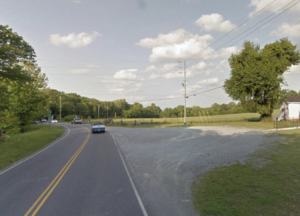
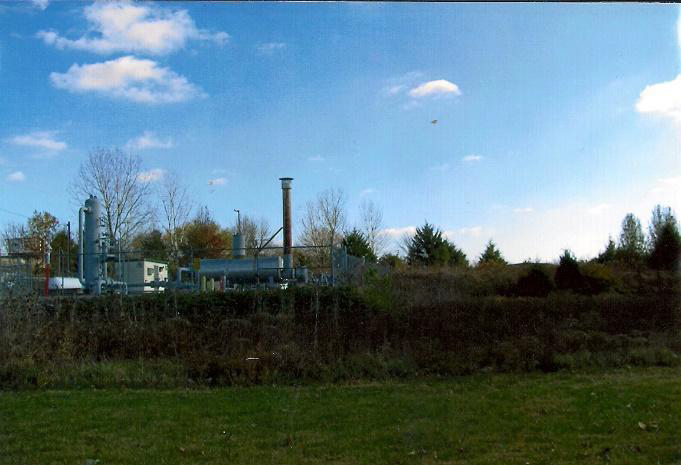
View of site from the East
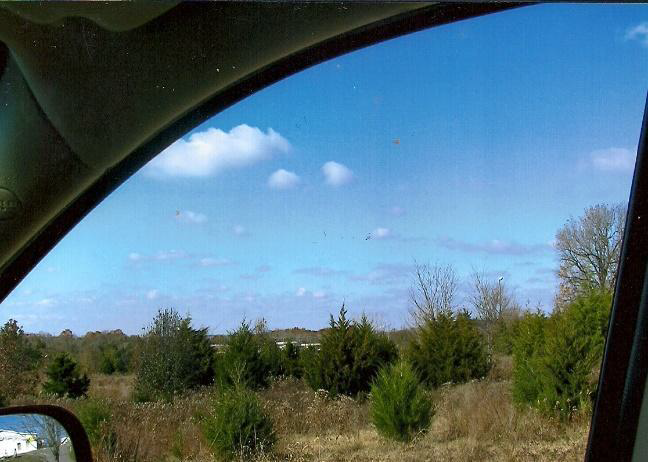
View of site from the West
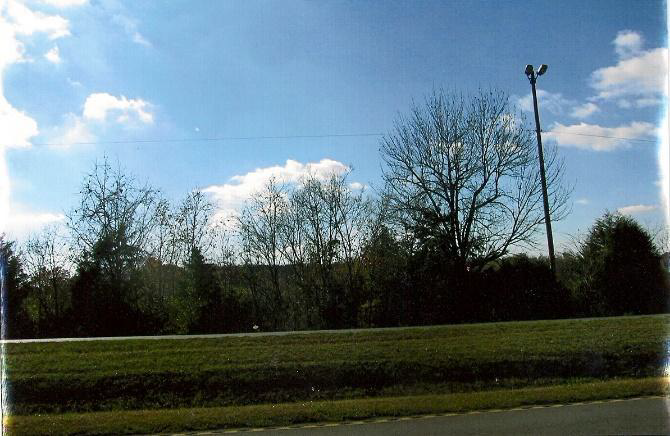
View of site from the South
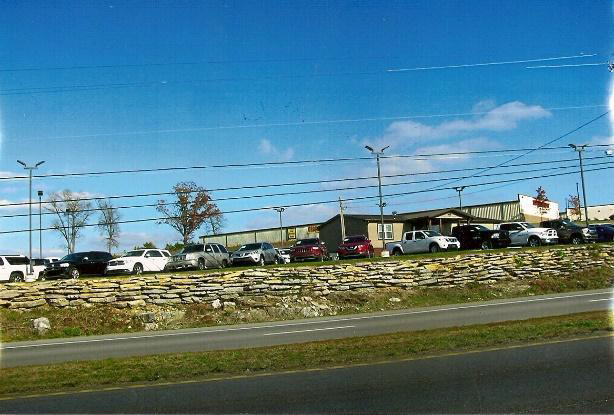
View of site from the North
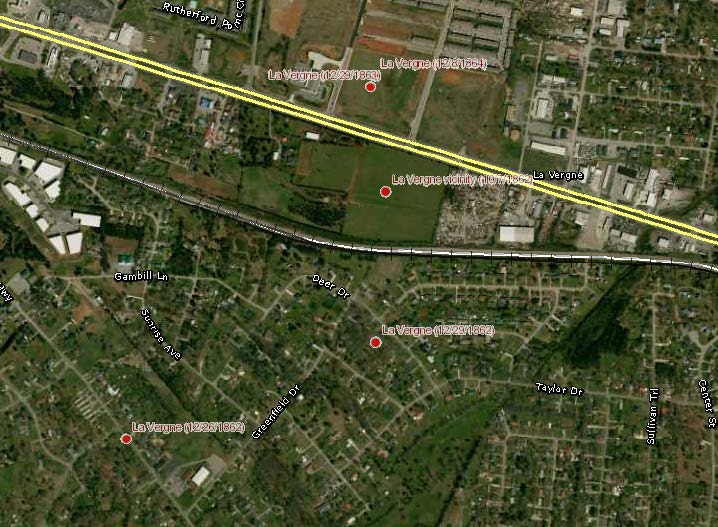
January 1, 1863 – Skirmish at La Vergne
Report of Lieut. Col. William H. Dickinson, Fourth Michigan Cavalry, including skirmish at La Vergne, January 1,
HDQRS, FOURTH MICHIGAN CAVALRY, Camp near Murfreesborough, Tenn., January 8, 1863
Sir: In compliance with an order of Col. Minty, commanding First Cavalry Brigade, I submit the following report of the troops under my command since my separation from the main body of my regiment at the cross-roads of Stewart’s Creek, on the Murfreesborough pike, December 31:
I remained there, by Col. Minty’s order, with two pieces of artillery and four companies of the Fourth Michigan Cavalry, viz.,: Companies A, D, G, and L, until the morning of January 1, when I was ordered by Col. Burke, of the Tenth Ohio Infantry, to move with my command in the direction of La Vergne, to engage the enemy who had attacked our baggage train.
On arriving within three-fourths of a mile of that place, we found the enemy attacking and burning our train. I immediately ordered a part of my men to dismount and protect the two pieces of artillery under my command and the other to attack the enemy from the left. After a brisk fire of about half an hour, the enemy retired, leaving 15 killed and carrying off 15 wounded.
I was then ordered by Col. Innes to patrol the pike between Stewart’s Creek and La Vergne, both day and night, until January 4, when, by Gen. Stanley’s command, I escorted Quartermaster Dudley’s train to Nashville and back here, when I arrived on the evening of the 7th instant.
On January2, two prisoners were brought in by our pickets, ho I turned over to Capt. Ward, of the Tenth Ohio, commanding detachment at Stewart’s Creek. Inclosed you will find a report, made by Lieut. Eldridge, who was for a few days in command of a separate detachment.
Yours,
W. H. DICKINSON, Lieut.-Col., Comdg. Fourth Michigan Cavalry.
OR, Ser. 1, Vol. 20, pt. 1, pp. 628-629
From the book “Green Trees: They Story of La Vergne” compiled by Ms Shirlie Runnels Chaney. pp 74
Quoting from the 1862 Diary of Mary Neal King (January 1863: 1-it has been a lovely day. I remained home all day. They had a very hard fight in La Vergne this evening. I did not learn the result.)