
HEADQUARTERS FOURTH MICHIGAN CAVALRY, Camp near Murfreesborough, Tenn., January 8, 1863.
COLONEL: In compliance with your order, on December 27, 1862, I reported to General Palmer with four companies of the Fourth Michigan Cavalry, Companies H, E, L, and B.
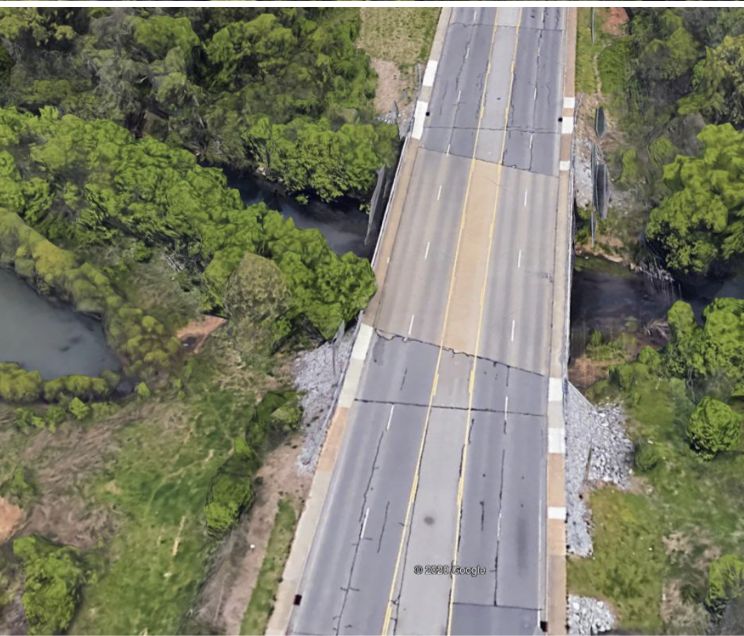
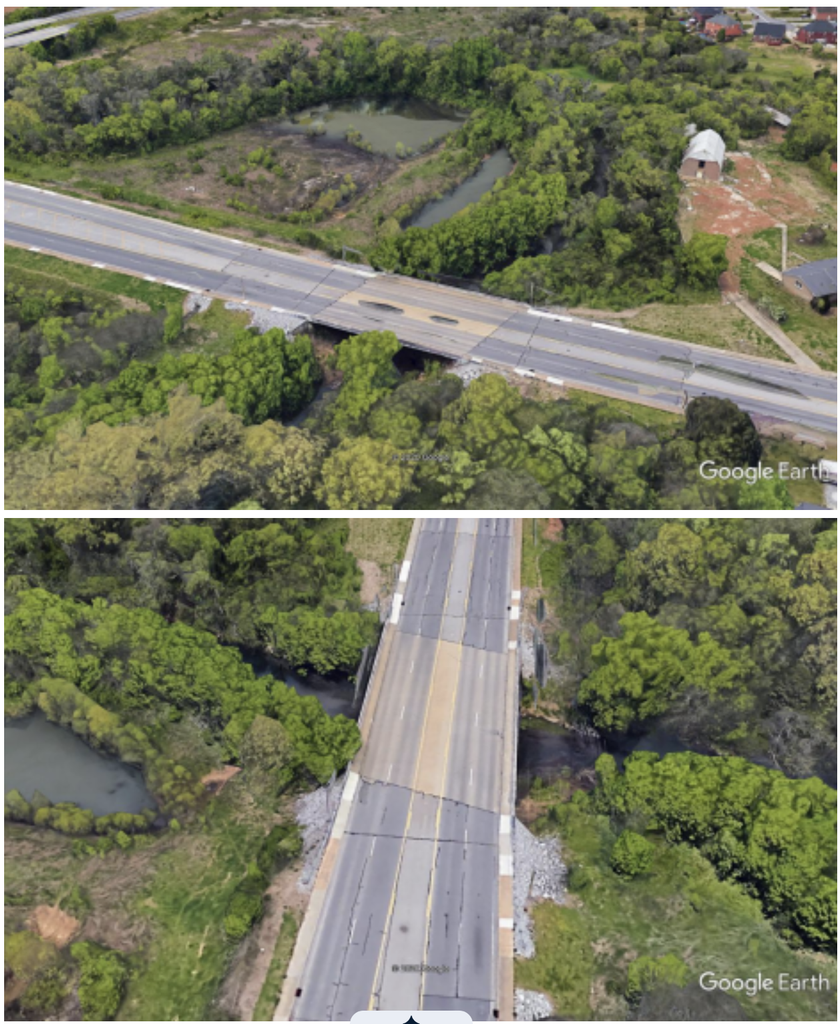
I was ordered to take the advance of a brigade of infantry and one battery of artillery and move off on the Jefferson pike, to take and hold the bridge over Stewart’s Creek, about 4 miles east of Murfreesborough pike. I sent Company E into the woods, to the left of the road, as skirmishers, and Company H to the right.
When about 1 1/2 miles out on the road, our advance came upon their pickets. I immediately started with Companies L and B after them. We were then 2 1/2 miles from the bridge. At every rod their number increased, so that when we came to the bridge we were chasing about 200 of them. Captain Pritchard, with Company L, had the advance, and was so close to them when we crossed the bridge that some of them were pushed off the side of the bridge and taken prisoners.
As soon as we got possession of the bridge, I sent couriers back to hurry up the infantry. While we were waiting they attacked us in strong force, but our boys nobly stood their ground and repulsed them. We heard no report from the infantry. I sent another courier back, and he soon came back to me saying there was about 100 of them in our rear, between the infantry and my command.
I then attempted to draw part of my command (Company L) back of the bridge, but I no sooner started them back than they came down on us like bees, yelling as if they had us sure. I had Company B, under Lieutenant Carter, posted on each side of the road, where they had a good sight of them. Company L came back to the bridge on double-quick, with the enemy close at their heels.
I ordered them to right-about, which they did handsomely, not a man flinching or wavering in the least. They immediately opened a fire upon the enemy, which soon made them leave for the woods.
I soon heard firing in my rear, and sent Captain Pritchard, with his company, back to find out the cause. As I instantly expected an attack from that quarter, I called Company B in and placed them on the bridge.
They again attempted to drive us from the bridge, but our boys were too much for them, and again drove them back under cover of the woods. Lieutenant Leach now came in which Company H; he had run on the party in our rear, and with 20 men drove them to the woods, and joined my command. The artillery soon came up, and my trouble was over.
The officers and men of these four companies are deserving of great praise. With 50 men we charged and drove for 2 1/2 miles 200 of the First Alabama Cavalry, and held the bridge for one-half hour against the whole regiment. The prisoners we took admit that their regiment was all there, and another regiment in Wheeler’s brigade was 2 miles in the rear, on Stone’s River.
I lost 3 men taken prisoners, between the infantry and my command, and had 1 slightly wounded. We took from them 9 prisoners, wounded 1 lieutenant and 3 privates, and killed 1 lieutenant and 1 private. We also took 4 horses; two of them the infantry took possession of.
We remained on the ground over night, and were relieved by the Seventh Pennsylvania Cavalry, when I immediately rejoined my regiment, all right, and perfectly satisfied with my trip.
I am, colonel, your most obedient servant,
FRANK W. MIX,
Captain, Comdg. Detachment Fourth Michigan Cavalry.
Numbers 129. Reports of Colonel William B. Hazen, Forty-first Ohio Infantry, commanding Second Brigade, including skirmishes on the Jefferson pike, near Stewart’s Creek Bridge, December 27.
HEADQUARTERS NINETEENTH BRIGADE, Stewart’s Creek, December 28, 1862.
MY DEAR GENERAL: We found the enemy, about 300 strong, after leaving the main pike, about 1 mile. After getting them fairly started, my cavalry (90 strong) were directed to pursue at full speed, not giving them time to form.
This was done, and a general stampeded effected of all across the creek. They, by that time, had five times my cavalry force. As soon as my artillery arrived, they shelled them vigorously, driving them far beyond range.
We made several prisoners, killed an officer, and lost 3 prisoners. Had I had a regiment of cavalry, I would have captured full 100. I have out now patrols in all directions, but nothing has been reported to me.
From various remarks and inquiries, made by the people here, I am of the opinion that Hardee is somewhere on our flank, and had we any sufficient knowledge, advantage could be taken of it. I can, however, learn nothing with any degree of certainty.
I am, respectfully, your obedient servant,
W. B. HAZEN,
Colonel, Commanding at Stewart’s Creek.
General PALMER,
Commanding Second Division, Left Wing.
HDQRS. 19TH BRIGADE, ARMY OF THE CUMBERLAND, SECOND BRIGADE, SECOND DIVISION, LEFT WING, Camp near Murfreesborough, Tenn., January 5, 1863.
SIR: I have the honor to submit the following report of the operations of troops under my command since leaving Nashville, December 26, 1862:
The Nineteenth Brigade, which I have commanded since its organization in January, 1862, is now composed as follows: The Sixth Kentucky Volunteers, Colonel Walter C. Whitaker; the Ninth Indiana Volunteers, Colonel William H. Blake; the One hundred and Tenth Illinois Volunteers, Colonel Thomas S. Casey, and the Forty-first Ohio Volunteers, Lieutenant Colonel.
At 12 m., December 27, I was ordered to proceed, via the Jefferson pike, to Stewart’s Creek, and save, if possible, the bridge crossing it. Ninety cavalry, of the Fourth Michigan, under Captain Mix, were sent to me.
I placed these under charge of my assistant inspector-general, Captain James McCleery, Forty-first Ohio Volunteers, with directions to keep me thoroughly informed of all that transpired, and as soon as the advance of the enemy was started to put spurs to his troop, and not slack rein until the bridge was crossed.
The distance did not exceed 5 miles, and by disposing flankers, for perfect security, and urging the artillery and infantry to its fullest speed, I was enabled to keep within supporting distance all the time.
The enemy was not 3 miles from the bridge, and, by closely following my directions a steeply-chase was made of the whole affair, the rebel force amounting to full five to our one.
By the time the bridge was reached they had formed upon the opposite side of the creek, but were soon dispersed by a few discharges from our artillery.
In this affair we lost 1 cavalryman killed and 2 captured by the enemy. We took 10 prisoners, one of whom an officer, and killed 1 commissioned officer and several men.
Too much credit cannot be given to Captain McCleery, of my staff, and Captain Mix, of the Fourth Michigan Cavalry, for spirit and daring in this affair. On reaching the bridge my little party were upon the heels of the fugitives, and had they been armed with sabers, in place of rifles, by slashing upon their rear the rout would have been pushed to a panic.


