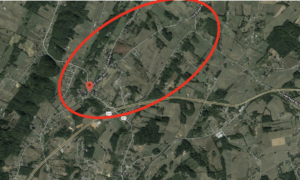
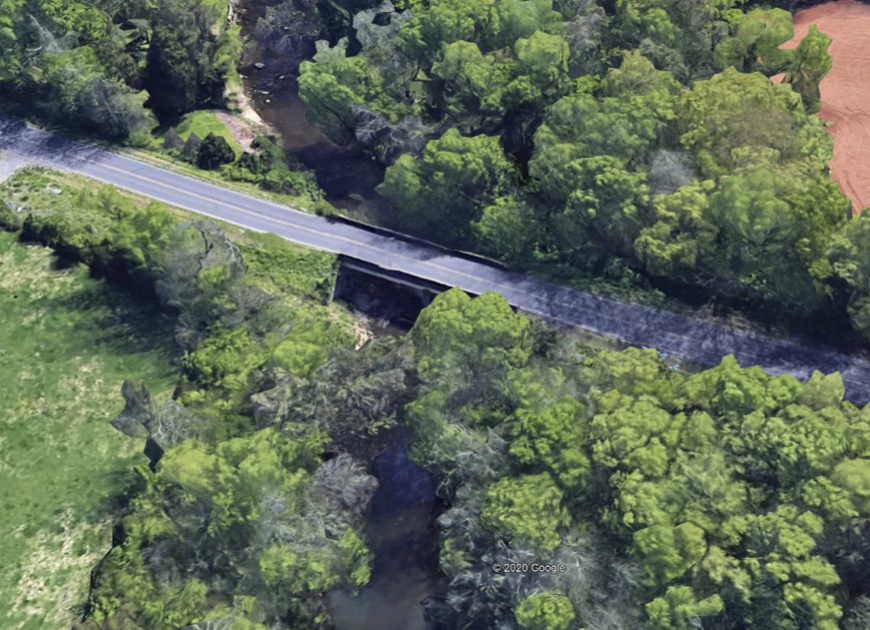
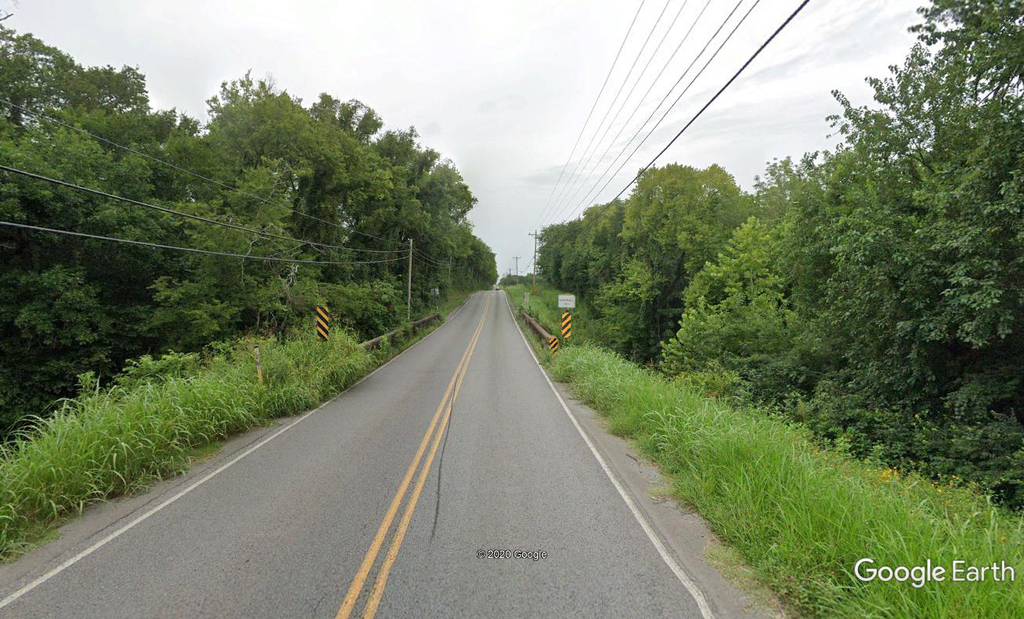
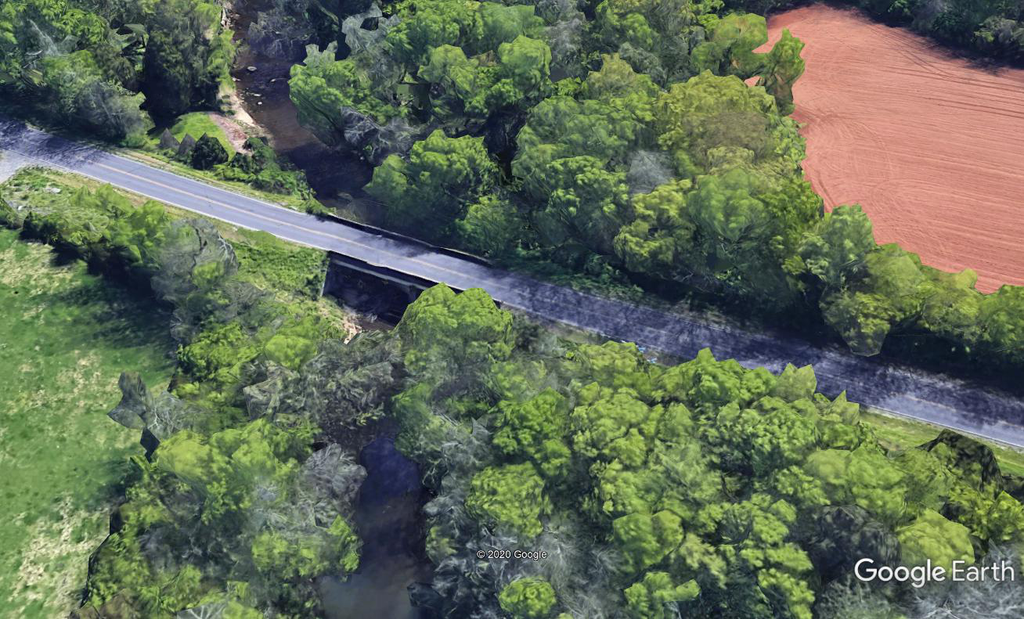
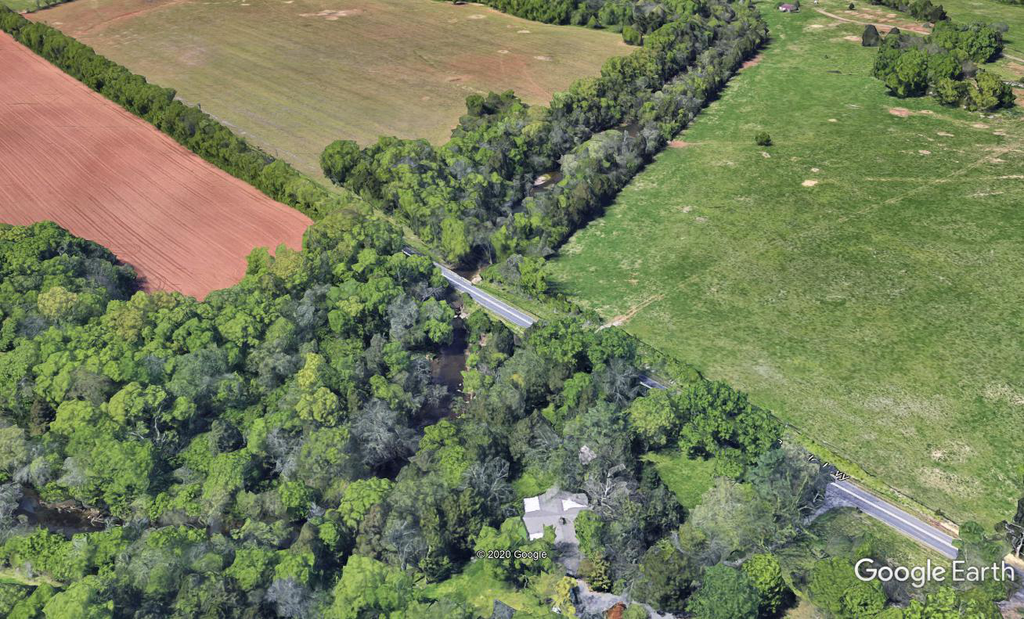
December 31, 1862 – Skirmish at Overall’s Creek
Report of Lieut. Col. John G. Parkhurst, Ninth Michigan Infantry, including skirmish near Overall’s Creek, December 31.
HDQRS. NINTH REGT. MICHIGAN VOLS. (CENTER), FOURTEENTH A. C., DEPT. OF THE CUMBERLAND, January 4, 1863.
MAJ.: I have the honor to make the following report of the part taken by the Ninth Regt. Michigan Infantry, in the recent advance of the army and in the five days’ battle before Murfreesborough:
On the morning of December 26, this regiment, as the provost guards to the corps d’armee of Maj. Gen. George H. Thomas, marched 2 miles out from Nashville on the Franklin pike, and crossed over to the Nolensville pike, and proceeded upon that road as far as the Edmondson pike, a distance of 7 miles, and marched out 1 mile on the Edmondson pike, and encamped for the night.
On Saturday [27th] morning the regiment, with headquarters train, returned to the Nashville pike, and marched to a point 1 mile south of Nolensville, and 17 miles from Nashville.
On Sunday [28th] morning the regiment marched across from the Nolensville pike to the Murfreesborough pike, and encamped, with headquarters, about 5 miles south of La Vergne, and remained there until Tuesday [30th] morning, when the regiment moved out on the Murfreesborough pike to Overall’s Creek, about 2 miles in rear of our front, and established headquarters for the general.
During the several days’ marches the regiment picked up many stragglers from the army in front and sent them forward to their commands.
On Wednesday [31st] morning, about two hours after the commencement of Wednesday’s battle, I noticed many stragglers crossing the fields from the direction of the right wing of our army, and sent out forces and brought them in, until I had from 100 to 200 collected, when I discovered several cavalrymen approaching with great speed from the direction of our front, and very soon discovered that a large cavalry force, together with infantry and a long transportation train, were in the most rapid retreat, throwing away their arms and accouterments, and many of the without hats or caps, and apparently in the most frightful state of mind, crying, “We are all lost.”
I at once concluded it was a stampede of frightened soldiers, and before many had passed me I drew my regiment up in line of battle across the road, extending on either side, and ordered my men to fix bayonets, and to take the position of guard against cavalry. This was done with celerity, and with much difficulty. Without firing upon the frightened troops, I succeeded in checking their course, and ordered every man to face about.
Within half an hour I had collected about 1,000 cavalrymen, seven pieces of artillery, and nearly two regiments of infantry. Among them was a brigadier-general. The cavalry, or most of it, belonged to the Second Brigade, and, if I am not mistaken, was commanded by Col. Zahm. The infantry was from different regiments belonging to Gen. Johnson’s division. One colonel succeeded in escaping my lines, and passed on toward Nashville.
From the reports made by these troops, I did not know but the enemy were in pursuit in force, and, consequently, I organized the forces I had collected and formed them in line of battle, on the crest of the hill, the other side of Overall’s Creek, planting the artillery on the left and center. In a short time Col. Walker came up from the rear with a brigade of troops and took position on the left.
After we had occupied this position a short time, a small force of the enemy’s cavalry appeared on the opposite side of the creek and attacked our transportation train, which I had directed to proceed moderately toward Nashville. I directed a pursuit, by a cavalry force, and about the same time Capt. Church, of the Fourth Michigan Battery, and of Col. Walker’s brigade, opened a fire upon them, and they were soon dispersed, losing some few of their men.
During the remainder of the day there were several attacks by the enemy’s cavalry, and they were as frequently repulsed, and with considerable loss, by the cavalry force which I had stopped, but the cavalry of the Second Brigade did not seem very determined in their pursuit.
In the afternoon I was ordered by Gen. Thomas to take position with my regiment on the south side of the creek, which I did, and then collected a large force of straggling infantry, and which, during the evening, were, most of them, returned to their regiments.
Late in the evening I was ordered to advance with my regiment to Gen. Thomas’ headquarters, near Gen. Rosecrans’ headquarters, which I did.
About 3 o’clock on Thursday morning I received orders to proceed to Nashville with my regiment, in charge of headquarters train, and about 4 o’clock I moved with the regiment in charge of the train.
No casualties occurred on the march until about 1 o’clock, when, about 9 miles this side of Nashville, I discovered a general stampede in the train in my rear, which was not directly under my charge. I immediately formed my regiment across the road and stopped the train and fugitives. Very soon there were several cavalrymen came up and reported that the train was attacked at La Vergne, about 6 miles in our rear.
I succeeded in checking the stampede and stopping the alarmed cavalrymen, teamsters, and negroes, who had gotten up the stampede. Among the cavalrymen stopped was a Capt. Skinner, of the Third Ohio Cavalry.
I reached Nashville about 5.30 o’clock with my train, and the long train in my rear, and pitched my camp on the side occupied previous to leaving Nashville.
After I had my camp pitched, I received orders from Gen. Morgan’s aide to remove my regiment inside the fortifications early the next day, which I did, and about 5 o’clock in the evening received orders from Gen. Thomas to return to the front with eight days’ rations, and between 3 and 4 o’clock on Saturday morning I marched from Nashville with my regiment with a small train.
When about 9 miles this side of Nashville I rescued a lady, with a carriage, horse, and servant, which a party of rebel cavalry had captured. The cavalry fled on our approach, and I had no means of pursuit.
When I reached La Vergne I was informed by Col. Innes, of the First Michigan Engineers, that a large body of cavalry were about to attack his regiment, stationed there. I halted my regiment and prepared to assist Col. Innes in his defense; but after waiting two hours for their attack, I proceeded on my march to this place without any other incident, and reached here last evening about 7 o’clock with the regiment and train.
In stopping the rout which seemed to be prevailing among our troops on Wednesday morning, my officers and men, without one exception, behaved with great coolness, and are entitled to much credit for the determined and successful effort in preventing a disgraceful rout of a large portion of the right wing of the army.
I remain, major, very respectfully, your obedient servant,
J. G. PARKHURST, Lieut.-Col., Cmdg. Ninth Michigan Volunteers.
OR, Ser. I, Vol. 20, pt. I, pp. 652-654.