
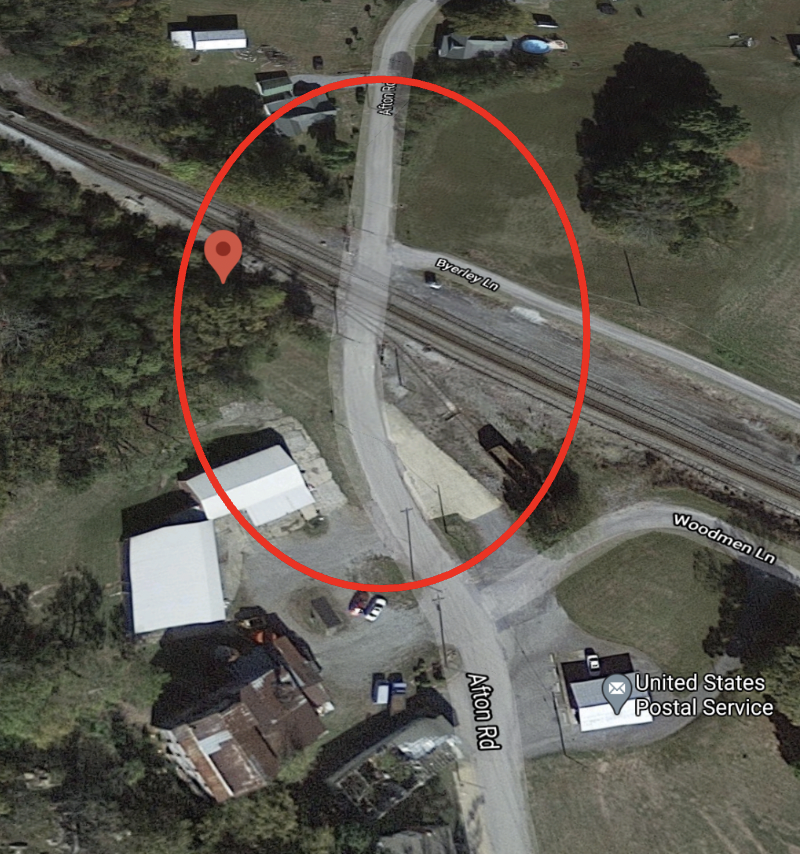
Report of Maj. Gen. Ambrose E. Burnside, U. S. Army, commanding Department of the Ohio.
KNOXVILLE, TENN., October 17, 1863-10 p. m.
On Saturday, the 10th, advanced a cavalry brigade to Blue Springs, where they found the enemy strongly posted and offering a stubborn resistance. Skirmishing continued till the arrival of the infantry, about 5 p. m., when I sent in a division of infantry, who charged and cleared the woods gallantly, and drove the enemy in confusion till dark.
During the night the enemy retreated precipitately, leaving their dead on the field and most of their wounded in our hands. We pursued in the morning with infantry with infantry and cavalry. The intercepting force met them at Henderson’s [Mill] but, owing to some misunderstanding, withdrew and allowed them to pass with only a slight check. The pursuit was continued until evening.
A. E. BURNSIDE, Maj.-Gen.
OR, Ser. I, Vol. 30, pt. II, p. 547.
A Confederate staff officer’s account of the skirmish at Henderson’s Mill
When several miles beyond Greenville on the road to Jonesboro’ Genl Jackson’s advance (Genl. Jackson Brigade of 500) constituted our advance Guard, was fired upon just at daylight. It was within two miles of Hendersons mill-where we were going to Camp, and I was going to the front by order of Genl. Williams to halt the column there.
The beautiful morning star, harbinger of coming day, was shining like a diadem on the brow of night-& we were peacefully, tho’ regretfully pursuing our way-when all at once a volley of musketry into the head of the column woke up to the feast of death. One of Genl. Jackson’s Staff was captured & perhaps a few of his men killed.
It was too dark to see more than 100 yards in the heavy timber in which the Enemy were concealed. I had just reached Genl. Jackson who was again advancing his column of infantry to drive them from the woods-supposing they were East Tennessee Bushwhackers-when a furious volley was against poured into us from behind the trees not 75 yards in front.
To prevent being shot from my horse, as Yankees generally shoot too high, I dismounted in an instant, but soon found myself left alone in the road under a heavy fire all the others having sought the generous protection of the neighboring trees. My horse was wild with excitement-so that I could not mount him until Rufus Todd held him for me.
As soon as our men got shelter they opened briskly upon the Enemy, & soon our artillery came up & shelled the woods. It was not yet good light. Genl. Williams immediately coming up ordered Jackson forward with Thomas Legion Note 1-(Infantry) and Carter to charge with his brigade of Cavalry—The boys went in with a shout charging gallantly, driving the Yankees from one position to another.
The General was in the front cheering the men onward-as he appreciated the critical position in which we were placed. The Enemy confidently expecting us to remain at Blue Springs, had thrown a heavy cavalry force under Col Carter (4 reg’ts of 2500 men-the same who went to Bristol and burnt Blountville,) in our rear to hold us in check until the forces on the other side could come up; therefore we must fight out or be captured: “horse, foot & dragoon,” artillery & transportation, & all.
Our men I say went in gallantly-drove the Enemy back, & only once gave up any ground & then a batt’n of Mounted men were driven from the woods, but were soon rallied-(the Genl. assisting) & returned to the fight. The Enemy used their artillery at first, but when we once got them started they never got time to unlimber again.
The fight lasted until about 71/2 A. M. -& ended by the flight of the Enemy before the impetuous charges of our boys, who never stopped but kept on, never giving the Yankees time to rally & form. We drove them some three miles when they left the main road at double quicktaking a road to the left towards Kingsport, leaving our way open to pursue our falling back.
So we were delivered from a Yankee trap. Thank God for the gallantry of our troops! The losses we sustained I cannot determine.
Our boys were very much elated with their success, & the way the Yankees “skedaddled.” Thus ended the battle of Henderson’s Mill-fought between Greenville & Rheatown, Tenn., on the morning of Sunday the 11th.
Diary of Edward O. Guerrant, October 10, 1863. Note 2
Note 1: Colonel W. C. Walker commanded the Thomas Legion of North Carolina. It was originally commanded by William H. Thomas and called “Thomas’ Legion of Indians and Highlanders.”
See: OR, Ser. I, Vol. 20, pt. II, p. 396

